
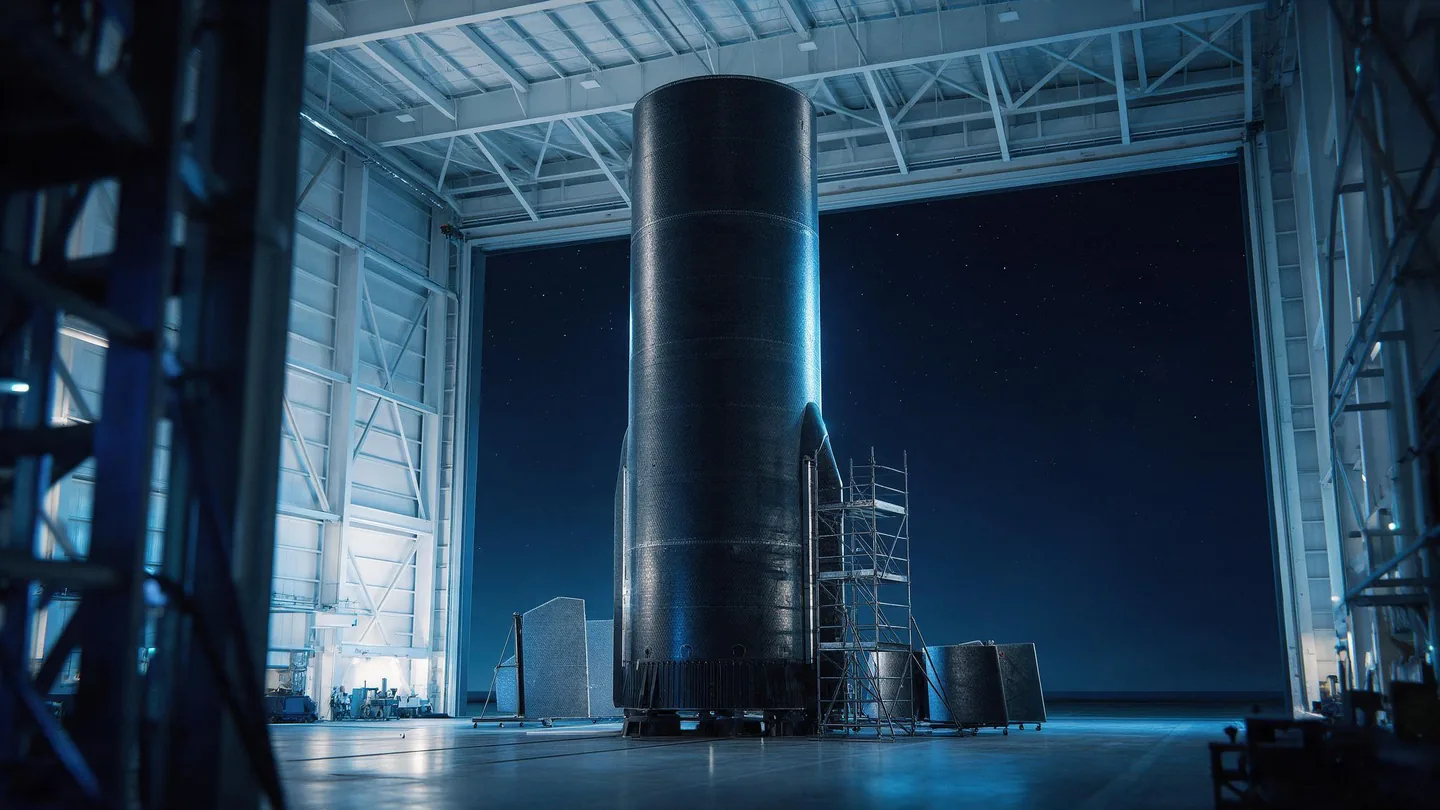
Rocket Lab announced on Oct. 14 that the first launch of its Neutron medium-lift reusable rocket has been delayed again, this time to sometime in 2027, citing difficulties producing carbon composite components for the vehicle. The company's shares fell notably on the news.
The cause: composite production constraints
SpaceNews reported that Rocket Lab attributed the slip to problems manufacturing carbon fibre composite parts. Neutron is a medium-lift rocket that relies heavily on carbon composites for its structure and propellant tanks, and such parts demand extremely high consistency. When tooling, layup or curing fall short of production standards, final assembly and testing of the whole vehicle slow down.
This is not Neutron's first delay. Its debut schedule has moved back repeatedly from earlier targets, and composite component throughput has been one of the persistent technical challenges. Rocket Lab said it will concentrate resources on resolving the manufacturing issues and re-sequence the first flight.
Why Neutron attracts attention
Neutron targets the medium-lift segment, using methane-fuelled Archimedes engines and a reusable first stage. That is precisely the band where commercial demand is strongest and available capacity tightest: a rocket capable of launching dozens of small satellites or a single medium spacecraft, while driving per-launch cost down through reuse. Its debut date is therefore treated by many satellite operators as a key variable in their constellation schedules.
For Rocket Lab itself, Neutron is the step up from its small Electron launcher into the medium market and a strategic pillar as the company expands from launch services into space systems. A delayed debut pushes back the revenue it was expected to generate.
A shifting medium-lift landscape
The global medium-lift market is in the middle of a broad transition, with established workhorse rockets being adapted for reuse while newer commercial entrants compete for constellation contracts. Neutron's fresh delay keeps effective supply in this band tight for now, and means satellite operators planning constellations need more backup options when choosing launch capacity.
Hanxing take
For satellite customers, a rocket's slipping debut schedule is a risk that must be actively managed in constellation planning. When a vehicle abroad is delayed, the most direct response is to line up alternative capacity — and Chinese commercial rockets are in a window of rapidly expanding capacity, from batch rideshare on medium-lift liquid rockets to mega-constellation launches on large reusable vehicles. As Hanxing — a global small-satellite launch service advisor for China — we provide launch consulting and capacity matching for small-satellite constellations at home and abroad, and putting China launch solutions on a customer's shortlist is one of the most practical hedges against single-vehicle uncertainty.