
# Rocket Lab Marks 95th Electron Mission: Small-Sat Dedicated Rocket Now Flying 16 Times a Year Like Infrastructure
95th Launch a Success
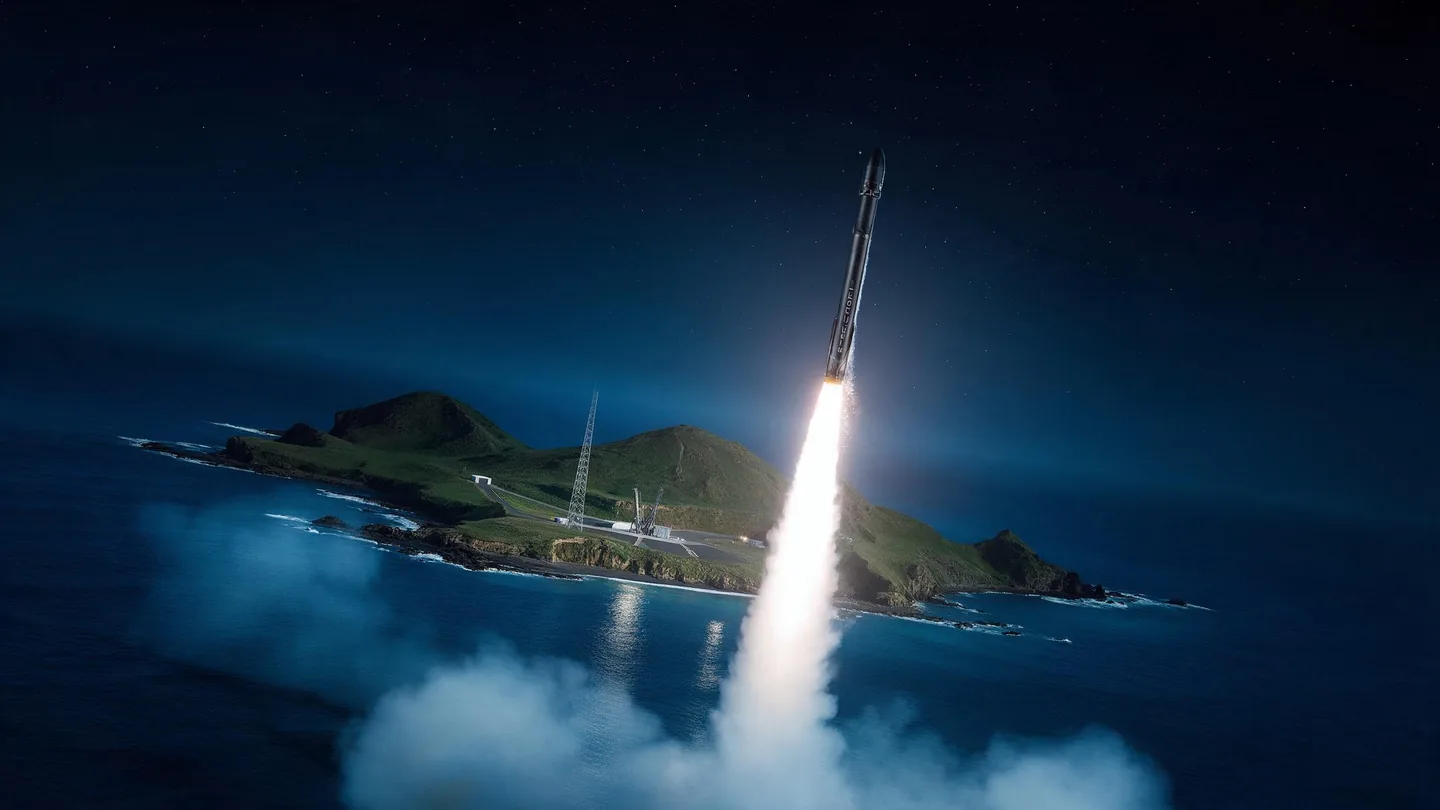
On September 11, 2026 at 3:28 p.m. New Zealand Standard Time (03:28 UTC), Rocket Lab's Electron rocket lifted off from Launch Complex 1A at Mahia Peninsula, New Zealand, on the mission codenamed "Happily Ever Faster."
Approximately 80 minutes later, Rocket Lab announced via its official X account that the satellite had been successfully deployed into a 500-kilometer circular low Earth orbit. The mission was a complete success.
The payload was a commercial Earth observation satellite, and the customer's identity was not disclosed. Rocket Lab did not livestream the mission nor reveal specific details about the customer or satellite, only confirming before launch that it would perform a dedicated launch for a "confidential commercial customer."
16th Launch of 2026, 100% Success Rate
This marks Rocket Lab's 16th Electron launch completed in 2026 and the 95th overall Electron mission. With all 16 launches this year successful, Electron has entered a highly mature and reliable operational phase.
Notably, just over a week earlier on September 3, Electron completed the "Owl Around The World" mission, deploying a StriX synthetic aperture radar (SAR) satellite for Japan's Synspective. Two launches within one week demonstrate Electron's rapid response capability and high launch cadence.
Rocket Lab also confirmed that another Electron mission for a commercial constellation operator is scheduled from Launch Complex 1 before the end of this month. If successful, September 2026 would see three launches in a single month.
From Experimental Rocket to Infrastructure
With 95 missions and a 16-launches-per-year cadence, Electron is transitioning from a "new small launch vehicle" to "regular transportation infrastructure" for the small satellite industry.
For small satellite operators, the value of dedicated launch is being re-recognized. While rideshare launches offer lower per-unit pricing, dedicated launch allows customers to choose their orbit, timeline, and launch window independently, without being constrained by other payloads. For defense customers, Earth observation operators, and scientific agencies, this sovereignty and schedule certainty is often worth the premium.
Rocket Lab CEO Peter Beck has previously stated that as global launch availability continues to strain, Electron's regular and reliable launch cadence provides schedule certainty and dedicated access to space for satellite operators.
New Landscape in Small Launch Market
The Electron rocket stands 18 meters tall, can carry approximately 300 kg to LEO, and costs roughly $7.5 million per launch. It is currently the most-flown small dedicated launch vehicle in the world.
Beyond Electron, Rocket Lab is developing the larger Neutron reusable rocket, with a 13-ton LEO capacity targeting medium-class satellites and constellation deployment. Neutron is expected to make its maiden flight in 2027.
In the small launch vehicle sector, Rocket Lab now faces competition from both Europe and China. Europe's Isar Aerospace successfully completed the first orbital launch of its Spectrum rocket on September 5; China's Galactic Energy also successfully debuted its Pallas-1 rocket on September 1. The small satellite launch market is entering a new phase of diverse supply.
Hanxing Perspective
Rocket Lab's 95th launch and 16-launches-per-year cadence mark a milestone — small launch vehicles have truly entered industrial-scale operations. For the small satellite industry, this means uncertainty on the launch side is decreasing — much like commercial aviation, customers can plan ahead and launch on schedule.
For global small satellite customers, the diversification of launch options is positive news. The rapid rise of China's commercial rockets offers international customers new, cost-effective alternatives. Hanxing — Your China Launch Service Advisor for Global Small Satellites specializes in connecting overseas small satellite operators with China's launch resources, providing professional launch consulting, vehicle selection, and end-to-end project management services. As China's reusable rocket technology rapidly matures and launch costs continue to fall, China's launch solutions are gaining competitiveness in the international small satellite market.